
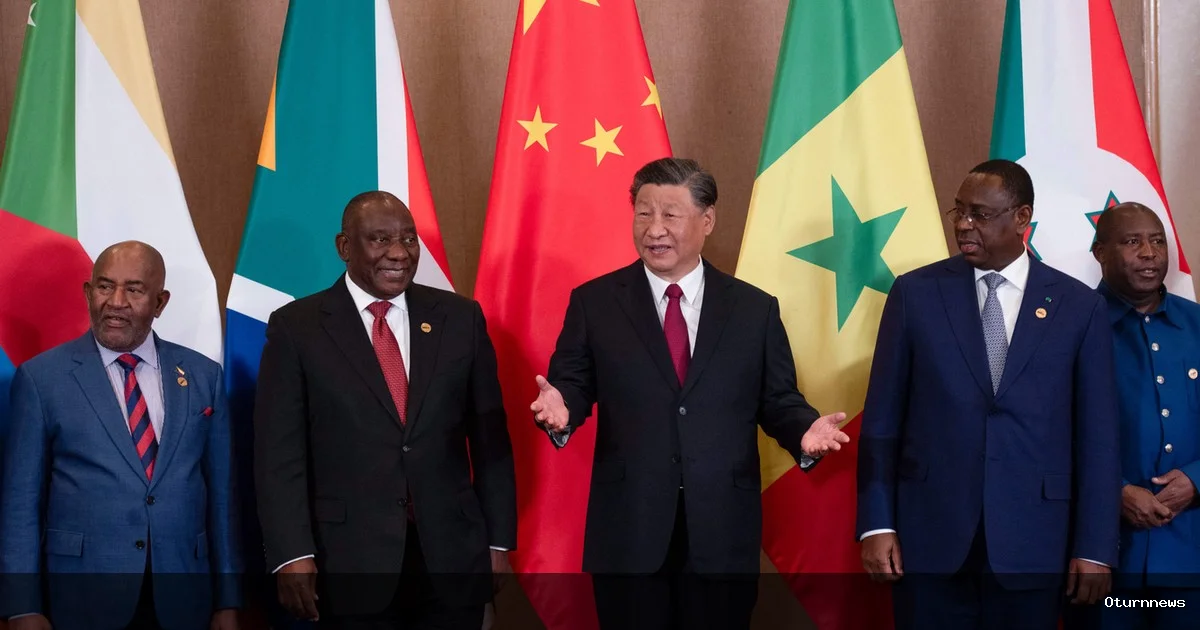
China has formally granted zero-tariff access on imports from Nigeria and 52 other African nations until 2028, a trade policy decision announced through official channels that represents a significant potential opportunity for African exporters seeking access to the world's most populous consumer market. The move is part of China's broader engagement with the African continent through the Forum on China-Africa Cooperation framework and reflects the deepening of economic ties between China and African nations that has been one of the defining features of African international trade relationships over the past two decades.
For Nigeria, the zero-tariff access represents a concrete trade benefit that the federal government and the private sector will need to work together to translate into actual export growth. The existence of a tariff-free pathway into the Chinese market does not automatically generate exports. It removes a cost barrier that previously made some Nigerian products uncompetitive against alternatives available to Chinese buyers, but it requires Nigerian producers and exporters to identify the specific product categories where they have a genuine competitive advantage and to build the supply chain infrastructure needed to access Chinese buyers reliably and at scale.
More in Business
- NNPCL Raises May Crude Oil Prices by 7 Dollars Per Barrel and Increases Petrol Prices in Lagos and Abuja
- Navigating the 2026 E-commerce Boom: How to Scale Your Online Business with Picnod, Konga, and Jumia
- Nigeria Pharmacy Sector Grows as Sam Pharmaceutical Opens New Manufacturing Plant in Southwest
- Air Peace Cuts Abuja to London Flights to Three Times Weekly Over Aviation Fuel Shortage
- UBA 2025 Full Year Results: Profit Falls 47 Percent to N404.7 Billion but Assets Grow to N33.2 Trillion
What Products Nigeria Can Export to China
Nigeria's potential export categories to China under the zero-tariff arrangement include agricultural products such as sesame seeds, cocoa, cashew nuts, and other food commodities where Nigerian production has established quality and volume credentials in international markets. Solid minerals, leather goods, and certain manufactured products also represent potential areas where Nigerian exporters could build on the tariff advantage.
However, trade economists have consistently noted that the biggest barrier to Nigerian export growth is not tariffs but supply-side constraints including inconsistent product quality, inadequate processing and packaging infrastructure, unreliable logistics, and the foreign exchange and documentation challenges that make exporting from Nigeria more complicated than it needs to be. Addressing those constraints is essential to turning zero-tariff access from a policy statement into genuine export revenue.
The Broader Nigeria-China Economic Relationship
China is already one of Nigeria's most significant trading partners, though the relationship has historically been heavily skewed toward Chinese exports to Nigeria rather than Nigerian exports to China. Chinese manufactured goods, electronics, construction materials, and consumer products flow into Nigeria in large volumes while Nigerian exports to China have been primarily limited to crude oil and a narrow range of other commodities.
The zero-tariff arrangement is an opportunity to begin diversifying that relationship in Nigeria's favour by creating conditions under which a broader range of Nigerian products can compete effectively in the Chinese market. Whether the Nigerian government and private sector seize that opportunity will depend on the coordinated policy support and private investment that translating trade access into trade flows requires.




Comments
Leave a Comment
All comments are reviewed before publishing.