
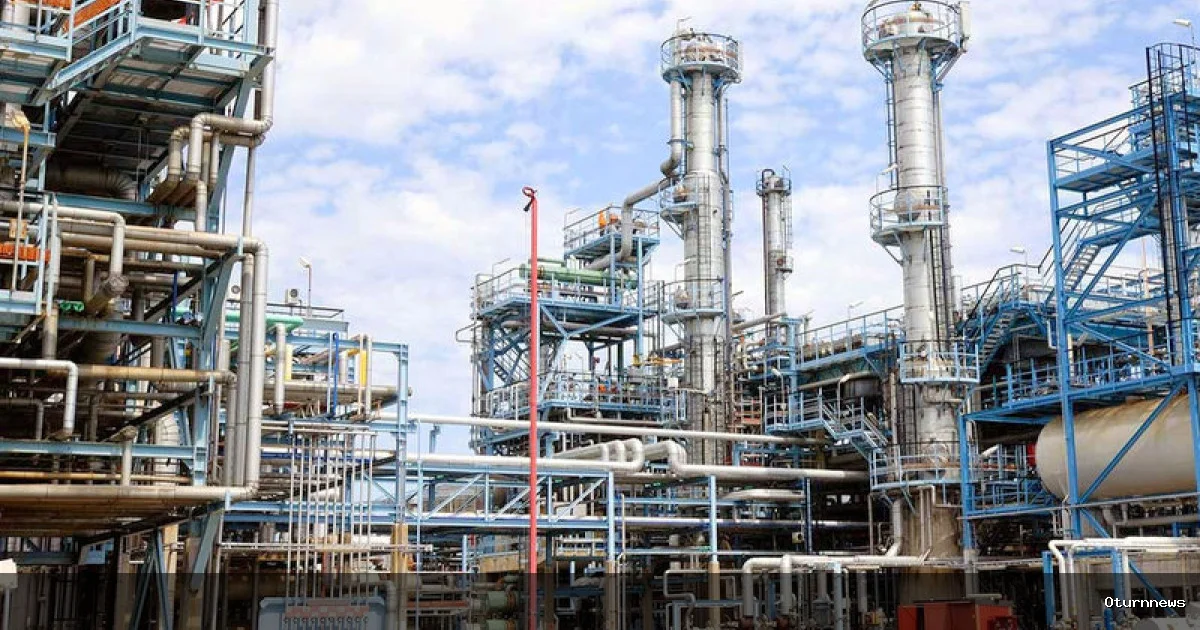
The Federal Government has issued petrol import licences for 720,000 metric tonnes to six private petroleum marketers, a development that has immediately sparked debate about the rationale for authorising large-scale petrol imports at a time when the Dangote Petroleum Refinery is operational and has been positioning itself as a primary supplier of Premium Motor Spirit to the Nigerian domestic market.
The licences cover a significant volume of imported petrol that will compete directly with domestically refined product from the Dangote facility. The decision has been interpreted in different ways by different industry stakeholders, with some viewing it as a prudent supply diversification measure and others seeing it as a signal that confidence in the Dangote Refinery's ability to consistently meet domestic demand at competitive prices remains incomplete.
More in Business
- FirstHoldCo Reports 72.2 Percent Surge in Q1 2026 Profit on Back of Balance Sheet Reset
- Dangote Group Denies Rift With Tony Elumelu and Threatens Legal Action Over False Reports
- Naira Stabilises Around N1,374 to Dollar as May 2026 Begins With Exchange Rate Calm
- China Grants Nigeria and 52 African Nations Zero Tariff Trade Access on Imports Until 2028
- NNPCL Raises May Crude Oil Prices by 7 Dollars Per Barrel and Increases Petrol Prices in Lagos and Abuja
The Dangote Refinery Context
The Dangote Petroleum Refinery has been operational for several months and has been a significant force in reshaping Nigeria's downstream petroleum sector. Its ability to supply domestic petrol has reduced Nigeria's import dependency compared to the period before the refinery came online, and its pricing decisions have directly influenced pump prices across the country. The issuance of import licences to private marketers creates a competitive supply dynamic that the Dangote Refinery may view as unnecessary given its stated production capacity.
What It Means for Petrol Prices
The entry of imported petrol from six additional licensed marketers into the Nigerian market creates conditions for greater price competition at the wholesale level. Whether that competition translates into lower pump prices for consumers depends on the landed cost of imported product compared to Dangote's ex-depot price, the distribution margins of the respective marketers, and the broader supply and demand balance in the market at the time the imported volumes arrive.




Comments
Leave a Comment
All comments are reviewed before publishing.