
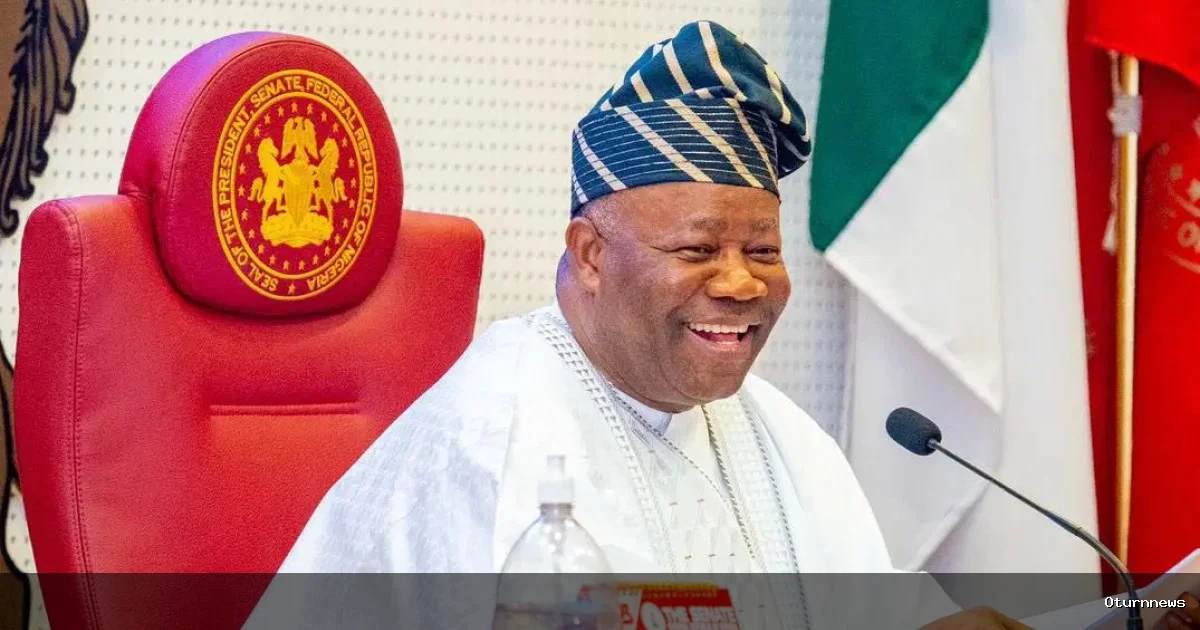
The Nigerian Senate has reversed a controversial rule that had generated significant public criticism, responding to widespread opposition from civil society, legal practitioners, and ordinary Nigerians who viewed the provision as incompatible with democratic principles and constitutional rights. The reversal on Friday May 8 marks a significant response by the Senate leadership to sustained public pressure.
Simultaneously, the Independent National Electoral Commission declared security as the first and last mile challenge of the 2027 general election process at a meeting where it secured commitment from the Nigeria Police Force for comprehensive nationwide protection during every stage of the electoral calendar. INEC's framing of security as a first and last mile issue reflects the reality that electoral violence and intimidation have been among the most damaging features of past Nigerian elections.
More in Politics
- Hayatu-Deen Picks N100 Million ADC Presidential Form Becoming First Official 2027 Aspirant
- Bala Mohammed Speaks: Former Bauchi Governor Addresses 2027 Presidential Ambitions and Coalition Plans
- Adeleke Speaks at Workers Day Rally, Faults APC Manifesto and Gets NLC Endorsement for Re-election
- ADC Fresh Twist: Peter Obi and Key Leaders Reportedly Moving to Dump Atiku for New Party Ahead of 2027
- Peter Obi or Atiku: Primate Ayodele Reveals Who Would Win the ADC Presidential Ticket for 2027
The Security Commitment
INEC's engagement with the police over 2027 election security reflects lessons drawn from the controversies that surrounded the 2023 general elections. The commission has been working to build more robust operational relationships with security agencies ahead of 2027. The Inspector General of Police's commitment to deploy personnel for electoral protection at all stages from voter registration through to results transmission represents a baseline assurance the commission can build on.
The Senate Rule Reversal
The specific rule reversed by the Senate had been the subject of strong criticism from legal practitioners and constitutional scholars who argued it exceeded the Senate's procedural authority. Civil society organisations had been vocal in demanding its reversal and the Senate's decision to act on that pressure reflects an awareness within the upper chamber that public confidence in its work should not be casually depleted ahead of a critical election cycle.



Comments
Leave a Comment
All comments are reviewed before publishing.